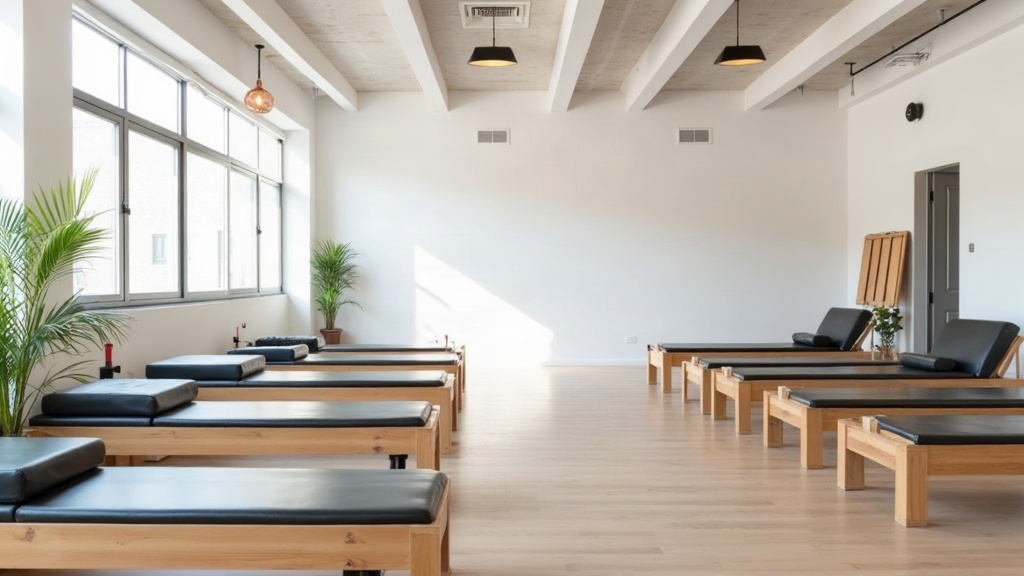
TL;DR: Opening a reformer pilates studio in India requires ₹15-25 lakh in startup capital, a solid GST and business registration, and a clear break-even plan. Get those three right and you can reach profitability within 12-18 months in most Tier-1 cities.
Pilates studios are one of the fastest-growing wellness formats in India right now. Mumbai, Bengaluru, Delhi, Pune, and Hyderabad already have active reformer communities. Smaller cities like Ahmedabad, Chandigarh, and Kochi are catching up. If you have been thinking about starting a pilates studio in India, the window is wide open but the planning needs to be precise. Equipment is expensive, trained instructors are scarce, and the break-even timeline is longer than most new founders expect.
This guide gives you the real numbers.
Why India Is a Strong Market Right Now
Urban India has a growing appetite for structured fitness formats that go beyond the gym floor. Reformer pilates fits perfectly: it is low-impact, results-driven, and commands a premium. Three trends are driving demand:
- Rising disposable incomes in Tier-1 and Tier-2 cities, especially among working professionals aged 28-45.
- Social proof through Instagram has made pilates visible in a way no marketing campaign could replicate.
- Post-injury and postpartum recovery is pushing referrals from physiotherapists and OBGYNs toward pilates studios.
The supply side has not kept pace. A well-run studio in South Mumbai or Indiranagar Bengaluru can fill 80 percent of its reformer slots within six months of opening.
The Real Costs: What You Will Spend Before Day One
This is where most aspiring studio owners underestimate. Here is a breakdown for a standard 4-reformer independent studio in a Tier-1 city.
Equipment
| Item | Budget Option (INR) | Mid-Range (INR) | Premium (INR) |
|---|---|---|---|
| Reformer (per unit) | ₹1.2-1.5 lakh | ₹2-3 lakh | ₹4.5-6 lakh |
| 4 Reformers total | ₹5-6 lakh | ₹8-12 lakh | ₹18-24 lakh |
| Cadillac / Tower | ₹2-3.5 lakh | ₹4-6 lakh | ₹8-12 lakh |
| Chair, Barrel, Accessories | ₹1-2 lakh | ₹2-3 lakh | ₹3-5 lakh |
| Equipment Total | ₹8-11 lakh | ₹14-21 lakh | ₹29-41 lakh |
Most founders starting out go mid-range with imported brands like Balanced Body or BASI, sourced through Indian distributors. Budget reformers from domestic manufacturers exist but come with limited certification credentials, which matters if your instructors are internationally trained.
Studio Setup Costs
Beyond equipment, factor in:
- Rent deposit: 3-6 months upfront in most Tier-1 cities. Budget ₹1.5-4 lakh depending on location.
- Interiors and fit-out: Mirrors, lighting, flooring, changing rooms, reception. Expect ₹3-6 lakh for a basic but professional finish.
- HVAC and ventilation: Pilates studios need strong air circulation. Central AC for a 600-800 sq ft space runs ₹1-1.5 lakh installed.
- Branding and website: ₹50,000-1.5 lakh for logo, initial website, and printed collateral.
- Working capital (3 months): Rent, staff salaries, and utilities while you build your client base. Budget ₹2-4 lakh.
Total realistic startup range: ₹15-25 lakh for an independent 4-reformer studio. If you go franchise, the range stretches to ₹20-70 lakh depending on the brand.
Finding the Right Space
Location is everything for a pilates studio. You need:
- Proximity to your target client: Upper-middle-class residential neighborhoods, premium office corridors, or hospital districts.
- Ground or first floor access wherever possible. Reformers are heavy and clients in workout clothes prefer not to use lifts.
- Minimum 600-800 sq ft for 4 reformers with adequate spacing and a small reception area. Plan 120-150 sq ft per reformer.
- Abundant natural light where possible. Dark studios feel clinical and put off new clients.
Monthly rent in premium Bengaluru or Mumbai locations ranges from ₹60,000 to ₹1.5 lakh depending on exact micro-market. Tier-2 cities can be ₹20,000-50,000 for comparable sized spaces.
Negotiate a rent-free fit-out period of 1-2 months. Most landlords will agree if you commit to a 2-3 year lease.
Staffing Your Studio
The single biggest constraint in the Indian pilates market is qualified instructors. Certified reformer instructors are rare and well-compensated.
- Lead instructor salary: ₹40,000-80,000/month for a BASI, Polestar, or STOTT certified instructor with 2+ years reformer experience.
- Junior instructor: ₹20,000-35,000/month if they are recently certified and building hours.
- Front desk / admin: ₹15,000-22,000/month.
If you are yourself a certified instructor, you can defer the lead instructor cost at first. That single decision can make or break your break-even timeline.
Plan for at least one instructor who can cover you if you are sick or traveling. Building solo leaves the business completely dependent on one person.
Legal and Compliance Setup
India has no central fitness-specific licence. Your legal checklist is:
- Business registration: Choose from sole proprietorship (cheapest, least protection), LLP, or private limited company. Most studio founders start as LLP or Pvt Ltd if they have a partner.
- GST registration: Mandatory once annual turnover crosses ₹20 lakh. File for registration early. Running a studio without GST compliance creates problems with corporate clients who need invoices.
- Trade licence: Required from your local municipal body (BBMP in Bengaluru, BMC in Mumbai, etc). Processing takes 4-8 weeks.
- Professional indemnity insurance: Strongly recommended. Liability claims from client injuries are rare but costly without cover.
- Music licensing: If you play music during sessions, you technically need PPL and IPRS licences. Many studios skip this but it is a real compliance requirement.
A Realistic Break-Even Timeline
Here is a simplified model for a 4-reformer studio running 10 sessions per day at an average of ₹1,200 per session (group or semi-private).
| Month | Occupancy | Daily Revenue | Monthly Revenue |
|---|---|---|---|
| 1-2 | 25% | ₹3,000 | ₹90,000 |
| 3-4 | 45% | ₹5,400 | ₹1.62 lakh |
| 5-6 | 60% | ₹7,200 | ₹2.16 lakh |
| 9-12 | 75-80% | ₹9,000-9,600 | ₹2.7-2.88 lakh |
Monthly operating costs (staff, rent, utilities, software) typically run ₹1.5-2.2 lakh for a lean 4-reformer studio.
Most well-managed studios hit operating break-even between months 9-15. Full return on startup capital typically takes 18-30 months. Franchise studios can take longer because of the higher initial outlay.
Selling class packs and monthly memberships rather than drop-in sessions dramatically improves your cash flow predictability. UPI-based autopay through Razorpay makes collecting recurring membership fees straightforward in India.
Running the Business Day-to-Day
Once you are open, your biggest operational challenge shifts from setup to scheduling, payments, and client retention. This is where the right studio software matters.
our full guide to pilates studio software covers the options in detail. For India-based studios, the key requirements are:
- INR billing with UPI and Razorpay support: Most clients will pay via UPI or card. USD-denominated software that converts to INR adds friction and cost.
- GST-compliant invoices: Corporate clients and tax-conscious members need proper GST invoices automatically generated.
- Class scheduling and waitlists: A 4-reformer studio needs airtight booking management from day one.
- Attendance tracking and client progress notes: Pilates is results-driven and clients expect their instructor to remember where they are in their program.
Appyone is built specifically for this. At $49/month, it handles booking, billing, GST invoices, UPI collection via Razorpay, and client management without requiring workarounds for Indian payment rails. That matters when your client base pays in rupees and your accountant needs GST-compliant records.
As your studio grows toward a second location, Appyone's multi-location management at $97/month lets you manage both studios from a single dashboard without double data entry.
There is no USD conversion friction, no manual invoice generation, and no export-then-modify workflow to get GST numbers onto your receipts.
The First 90 Days
Open with a pre-launch waitlist. Offer founding member pricing (20-30% off regular rates) to the first 30-50 members who commit before you open. This gives you:
- Guaranteed revenue from day one.
- Real people to fill your launch classes so the studio does not feel empty.
- Word-of-mouth from excited early members before you spend on paid ads.
Partnerships with nearby physiotherapy clinics, OBGYNs, and corporate wellness coordinators will outperform Instagram advertising in most Indian markets during the first six months.
Appyone's client management tools let you track referral sources from the beginning, so you know which channels are actually driving memberships.
Frequently Asked Questions
How much does it cost to open a pilates studio in India?
A 4-reformer independent studio in a Tier-1 city typically requires ₹15-25 lakh in startup capital covering equipment, interiors, and three months of working capital. Franchise routes run ₹20-70 lakh.
Do you need a licence to run a pilates studio in India?
You need a business registration (proprietorship, LLP or private limited), GST registration once turnover crosses ₹20 lakh, and a local trade licence from your municipal body. No central fitness-specific licence exists.